[ Review Article ]
Professor Devi Sridhar’s opinion piece in The Guardian offers a measured and insightful response to the recent wave of headlines suggesting that exercise is “better than drugs” for preventing cancer recurrence. Rather than feeding into this misleading narrative, Sridhar methodically unpacks the study in question and reframes the conversation around a more accurate and constructive interpretation, that structured exercise can be a powerful complement to medical treatment, not a substitute for it.

At the core of her argument is a critique of false binaries often presented in media coverage of health research. The study she discusses, published in the New England Journal of Medicine, did not test exercise instead of chemotherapy.
All participants of the study had already undergone surgery and chemotherapy for colon cancer. The study’s actual question was whether a structured exercise program, layered on top of standard medical care, could improve long-term outcomes. It did, and significantly so, but that doesn’t mean exercise should be seen as a replacement for cancer drugs.
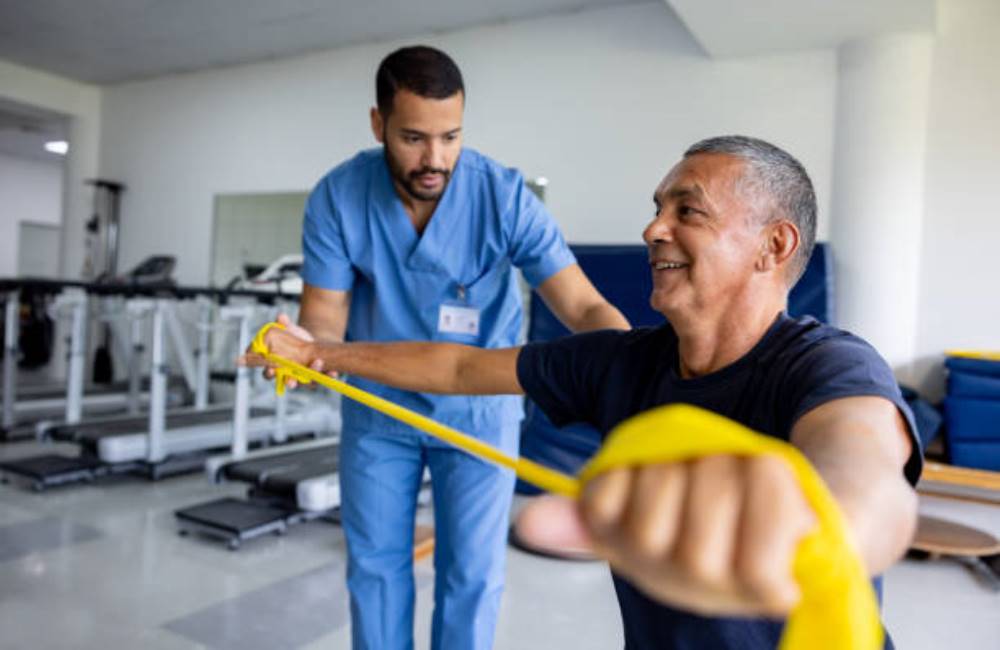
Sridhar’s analysis is especially compelling in its focus on the difference between information and action. Both groups in the study received education about exercise, yet only the group with structured, supervised support saw a meaningful improvement in disease-free survival. This highlights a vital point often overlooked in public health messaging: simply telling people what to do is rarely enough. Sustainable behavioral change depends on social support, coaching, structure and the gradual building of confidence, particularly in the physically and emotionally demanding period following cancer treatment.
Equally important is her attention to the social dimension of the intervention. The exercise group’s improved outcomes may have been due not only to increased physical activity, but also to the relational aspects of the program, regular contact with a personal trainer, engagement in a structured community and the emotional reinforcement that comes from consistent support. Sridhar reminds us that health is not merely a biological condition but a lived experience shaped by social context, motivation and environment.
Her commentary is practical as well as principled. While she clearly champions the benefits of structured exercise, as a public health professor and as a qualified personal trainer, she avoids prescriptive or elitist advice.
Instead, she suggests accessible alternatives such as low-cost group classes and community fitness initiatives. In doing so, she reinforces a message of inclusivity and empowerment rather than one of individual responsibility alone.
Sridhar’s piece cuts through the noise with clarity and compassion. She refuses to pit lifestyle against medicine and instead argues for a more integrated model of health, one that acknowledges the crucial role of evidence-based medical care while also recognizing the profound impact of movement, social connection and behavioral support.
The real message, she argues, isn’t that exercise is “better” than drugs, but that effective recovery demands more than knowledge alone; it requires the structures and relationships that make healthy living possible.





 Oped Column Health